
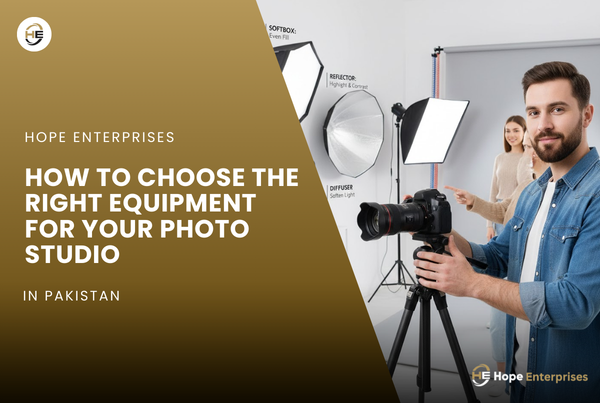
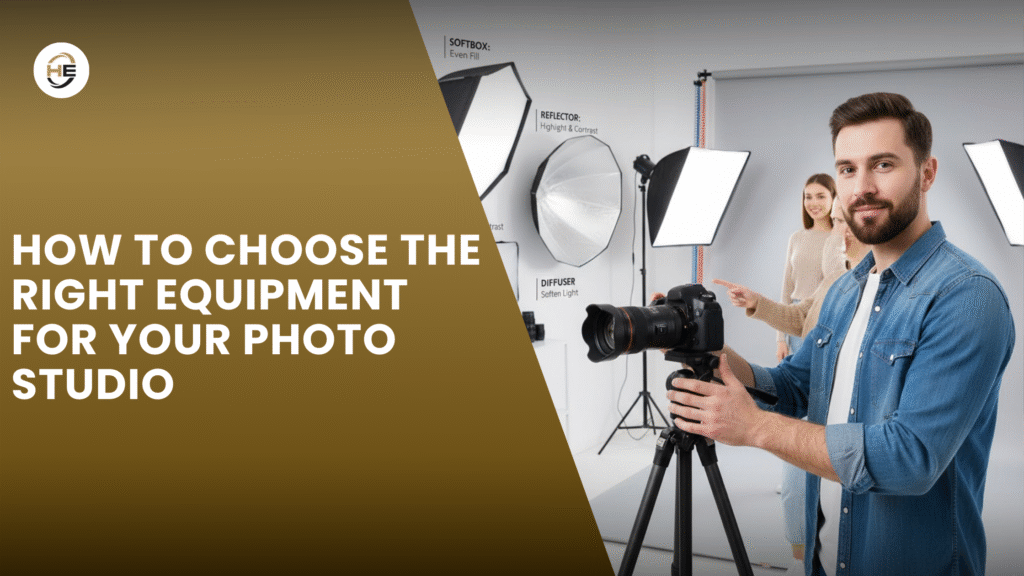
Building a photo studio is an exciting step. However, choosing the right studio equipment can feel overwhelming at first. Cameras, lenses, lighting, and accessories all play an important role. Still, not every studio needs the same setup. The key is understanding what supports your style, workflow, and long-term goals. This approach is better than buying everything at once.
A well-equipped studio helps you work faster. It allows you to deliver consistent results and build trust with clients. Most importantly, the right gear grows with you. It adapts as your skills improve. It also supports more demanding projects over time. That is why smart equipment choices matter more than expensive ones.
Whether you are setting up a portrait studio, launching a fashion space, or focusing on product photography, clarity comes first. You need to know what you shoot and how you work. You should also be clear about where you want to go. When this is clear, decisions become easier. This guide breaks down each step. It helps you build a photo studio that feels professional, practical, and ready for the future.
Why Choosing the Right Equipment Matters
Choosing the right photo studio equipment matters because it directly affects image quality, workflow efficiency, and studio growth.
While creativity and skill drive great photography, the tools you use determine how consistently you can deliver professional results. The right cameras, lenses, and lighting help you control exposure, manage color accurately, and work with confidence on every shoot.
Just as importantly, good equipment supports a smooth workflow. When gear responds reliably, shoots take less time, reshoots are reduced, and client experience improves. In contrast, mismatched or low-quality equipment often creates delays and limits creative potential.
That is why studio equipment decisions should be intentional. Instead of buying everything at once, photographers benefit from choosing tools that match their style and future plans. With guidance from trusted distributors like Hope Enterprises, studios can invest in compatible, reliable equipment that grows with their business and supports long-term success.
Understand Your Photography Style & Goals
Picking the right photo studio equipment starts with one clear step: understanding what you shoot and where you want to grow.
Different photography styles require different cameras, lenses, lighting, and accessories. When your goals are defined early, you avoid wasted spending and build a studio setup that supports consistent, professional results.
In short, your equipment should match:
- The type of photography you offer
- Your current workload and client expectations
- Your long-term studio growth plans
This clarity improves workflow, protects your budget, and helps your studio scale smoothly.
Identify Your Studio Niche (Portrait, Fashion, Product)
Your studio niche determines the technical demands of your setup. Portrait studios benefit from sharp prime lenses, flattering focal lengths, and soft lighting. Fashion studios need higher resolution cameras, accurate color reproduction, and flexible lighting control. Product photography relies on detail precision, stable tripods, and repeatable lighting setups. When your niche is clear, every equipment choice becomes more purposeful and performance-driven.
Define Your Budget and Growth Plan
A smart studio setup balances budget with future needs. Instead of buying everything at once, focus on reliable core gear first. Invest in cameras, lenses, and lighting that meet professional standards and allow upgrades later. Planning for growth helps studios expand gradually, avoid frequent replacements, and protect long-term investment while maintaining consistent output quality.
Choosing the Right Camera for Your Photo Studio
Selecting the right camera for your photo studio equipment setup is a foundational step. The camera you choose affects image quality, workflow speed, and how confidently you can handle different client requirements. Understanding sensor types and essential features helps studios make practical, future-proof decisions instead of costly guesses.
Full-Frame vs APS-C Cameras — Which One to Pick?
Below is a simplified comparison to help studios decide which camera type fits their needs best:
| Feature | Full-Frame Cameras | APS-C Cameras |
| Sensor Size | Larger sensor | Smaller sensor |
| Image Quality | Higher detail and better depth control | Excellent quality for most studio work |
| Low-Light Performance | Stronger performance with less noise | Good performance under studio lighting |
| Cost | Higher investment | More budget-friendly |
| Best For | Fashion, portrait, commercial studios | Product, catalog, small to mid-size studios |
Both options work well in studios. The right choice depends on budget, niche, and long-term goals.
Key Camera Features to Consider
Beyond sensor size, a studio camera should support professional workflows and consistent output. Key features to look for include:
- High-resolution sensors for sharp images and flexible cropping during retouching
- Reliable autofocus to maintain accuracy during frequent posing and composition changes
- Strong dynamic range for balanced highlights and shadows under studio lighting
- Tethering support for live previews and smoother client collaboration
- Durable build quality for long shooting sessions and daily studio use
Choosing a camera with these features ensures stability, efficiency, and professional results across all studio projects.
Selecting Perfect Lenses for Studio Photography
Lenses shape how your studio images look and feel. While cameras capture data, lenses control sharpness, depth, and perspective. Choosing the right lenses helps studios maintain consistency, reduce reshoots, and deliver professional results across different photography styles.
Prime Lenses for Sharp, Professional Shots
Prime lenses are often the first choice for studio photographers who value image quality and consistency. Because they use a fixed focal length, primes deliver exceptional sharpness and accurate color reproduction. They also offer wider apertures, which help create smooth background separation for portraits and fashion work. In controlled studio lighting, primes produce clean, detailed images with minimal distortion. Many professionals rely on prime lenses to maintain a consistent visual style and predictable results during long studio sessions.
Zoom Lenses for Flexibility in the Studio
Zoom lenses bring versatility to studio photography, especially when working with products, groups, or changing compositions. They allow photographers to adjust framing quickly without moving lights or backgrounds. This saves time and keeps shoots efficient. Modern zoom lenses now offer excellent optical quality, making them suitable for professional use. Studios that handle varied projects often use zoom lenses to balance speed and flexibility while maintaining reliable image quality across different focal lengths.
Lens Mounts and Compatibility
Lens mounts determine which lenses work with your camera body. Choosing compatible mounts ensures stable performance and access to a wider lens ecosystem. For example, SIGMA lenses are available for multiple mounts, making them a flexible option for many studio setups. Ensuring mount compatibility avoids adapter issues, preserves autofocus accuracy, and supports long-term system growth. When lenses and cameras work seamlessly together, studios benefit from smoother workflows and consistent results across all shoots.
Choosing Studio Lighting That Works
Studio lighting shapes mood, detail, and consistency in photography. The right lighting setup helps photographers control shadows. It also highlights textures and maintains repeatable results. More importantly, good lighting reduces editing time. It keeps every shoot predictable. By choosing lighting that matches your studio style and workflow, you create a professional environment. This environment supports both creativity and efficiency.
Continuous Lights vs Flash/Strobe Lights
Both lighting types serve different studio needs. Understanding their strengths helps you decide faster and avoid unnecessary purchases.
| Lighting Type | Best For | Key Benefits | Common Studio Use |
| Continuous Lights | Beginners, video-photo hybrid studios | Real-time preview, easy to use, consistent output | Portraits, content creation, product shoots |
| Flash/Strobe Lights | Professional studios | Powerful output, sharp results, freeze motion | Fashion, commercial, high-end portraits |
Lighting Modifiers: Softboxes, Umbrellas, Reflectors
Lighting modifiers shape how light falls on your subject. They improve control and help achieve professional-looking results without complex setups.
- Softboxes soften harsh light and create smooth, flattering shadows for portraits and fashion photography.
- Umbrellas spread light evenly and are quick to set up for general studio use.
- Reflectors bounce light back onto the subject, reducing shadows and improving balance without adding extra lights.
Color Temperature and White Balance Essentials
Color temperature affects how natural your images look. Studio lights usually range between warm tones and daylight tones. Keeping lighting consistent helps prevent color shifts across images. Matching your white balance settings to the lights ensures accurate skin tones. It also keeps product colors true. This consistency is especially important for commercial and catalogue photography. Reliable color output builds client trust. It also reduces post-production corrections.
Audio Equipment for a Versatile Studio Setup
Audio equipment is often overlooked in photo studios, yet it plays an important supporting role in daily operations. Clear sound improves communication between photographers, assistants, models, and clients, especially during busy shoots. It also supports modern studio needs such as behind-the-scenes content, short reels, interviews, and client previews.
As studios expand beyond still photography, basic audio gear becomes increasingly valuable. It helps teams work faster, reduces misunderstandings, and adds flexibility without major investment. With simple, reliable audio tools in place, studios operate more smoothly and present a more professional, well-rounded creative environment.
Why Audio Gear Matters Even in Photo Studios
Even in a photo-focused studio, audio helps keep shoots efficient. Photographers give directions, teams coordinate movements, and clients stay engaged. Clear sound avoids repeated instructions and saves time. Moreover, many studios now record BTS videos, interviews, or short social clips. Good audio ensures this content feels polished. As a result, studios appear more professional and versatile, without needing a full video setup.
Microphones Every Studio Should Have
A simple microphone setup covers most studio needs. A shotgun microphone works well for directional audio during BTS recording without entering the frame. Meanwhile, a studio condenser microphone is ideal for voiceovers, interviews, or client messages. These tools are easy to integrate and deliver clean results. With guidance from trusted distributors like Hope Enterprises, studios can choose reliable audio gear that fits seamlessly into existing setups and supports future growth.
Other Essential Studio Accessories to Consider
Beyond cameras, lenses, lighting, and audio, a professional photo studio relies on supporting accessories. These tools improve stability, organization, and reliability. As a result, shoots run smoothly, equipment stays protected, and creative focus remains uninterrupted throughout busy studio sessions.
- Tripods and Stabilization Tools: Heavy-duty tripods keep framing consistent and reduce camera shake. They support long exposures, tethered shooting, and precise composition during studio photography sessions.
- Backgrounds and Set Props: Seamless backdrops and studio props help define visual style and create clean looks. They also allow quick transitions between portrait, product, and fashion photography setups.
- Storage and Power Solutions: Power backups and storage systems protect files and prevent downtime. They ensure cameras, lights, and accessories stay operational during extended studio shoots.
Test Before You Invest — Try Before You Buy
Before committing to expensive studio equipment, testing it in real shooting conditions is a smart step. Cameras, lenses, lighting, and audio tools can feel very different once used on set. Trying gear first helps confirm compatibility, workflow comfort, and performance. This approach connects directly with earlier choices around cameras, lenses, lighting, and accessories—reducing risk and improving long-term satisfaction.
Renting Gear First
Renting equipment allows photographers to test cameras, lenses, and lighting setups without full investment. It helps evaluate image quality, handling, and reliability during actual studio shoots. This is especially useful when exploring new systems, upgrading setups, or expanding into different photography niches.
Demo and Hands-On Testing
Hands-on demos provide practical insight that specifications cannot show. Testing gear reveals autofocus behavior, lighting consistency, and ease of use. With guided demos and expert input, photographers make confident decisions that align with studio goals and future growth.
Buy From Authorized Sources for Best Support
Where you buy your equipment matters as much as what you buy. Authorized sources protect your investment by ensuring authenticity, compatibility, and long-term reliability. This becomes especially important after you have tested gear, compared options, and finalized your studio setup. Trusted suppliers help studios avoid costly mistakes and support smooth operations as equipment needs grow.
Genuine Products and Warranty Benefits
Authorized distributors provide original equipment with valid manufacturer warranties. This ensures reliable performance, accurate specifications, and long-term durability. In case of defects or technical issues, warranty coverage offers peace of mind. Through Hope Enterprises, studios receive genuine gear that meets professional standards and protects their investment.
After-Sale Support and Service
Strong after-sale support keeps studios running without disruption. Authorized sellers offer service guidance, repair assistance, and product support when issues arise. This support becomes essential during upgrades or technical troubleshooting. Hope Enterprises ensures photographers have access to dependable service that extends equipment life and maintains workflow stability.
Expert Guidance for Choosing the Right Gear
Choosing the right equipment can be complex. Expert guidance helps match gear with studio needs, budgets, and growth plans. Authorized distributors understand professional workflows and recommend compatible solutions. With Hope Enterprises, photographers receive informed advice that connects all equipment choices into a reliable, future-ready studio setup.
Frequently Asked Questions
Start with a reliable camera, one versatile lens, and basic lighting. These three tools cover most studio needs. Once you have consistent image quality, you can gradually add accessories like tripods, backgrounds, and audio gear as your studio workflow and client demands grow.
Yes, professional lighting is essential even with a good camera. Studio lights control exposure, shadows, and color accuracy. Without proper lighting, images may look flat or inconsistent. Quality lights help you achieve repeatable, professional results across portraits, products, and commercial shoots.
Absolutely. Many photographers start with one standard lens and upgrade as their style evolves. Lenses have a long lifespan and strongly impact image quality. Investing in better lenses later allows you to expand creative options without replacing your entire camera system.
Build a Studio That Grows With You
A successful photo studio is built with intention, not impulse. When cameras, lenses, lighting, audio, and accessories work together, creativity flows. Technical barriers disappear. Choosing equipment that matches your style helps your studio perform better. It also supports your future goals. Over time, this allows your studio to evolve with confidence.
By investing in reliable gear, photographers gain consistency and long-term value. Sourcing equipment from trusted distributors like Hope Enterprises adds an extra layer of support. The right setup does more than meet today’s needs. It adapts as your studio grows. It scales with new projects. Most importantly, it supports your creative growth and helps deliver professional results at every stage.